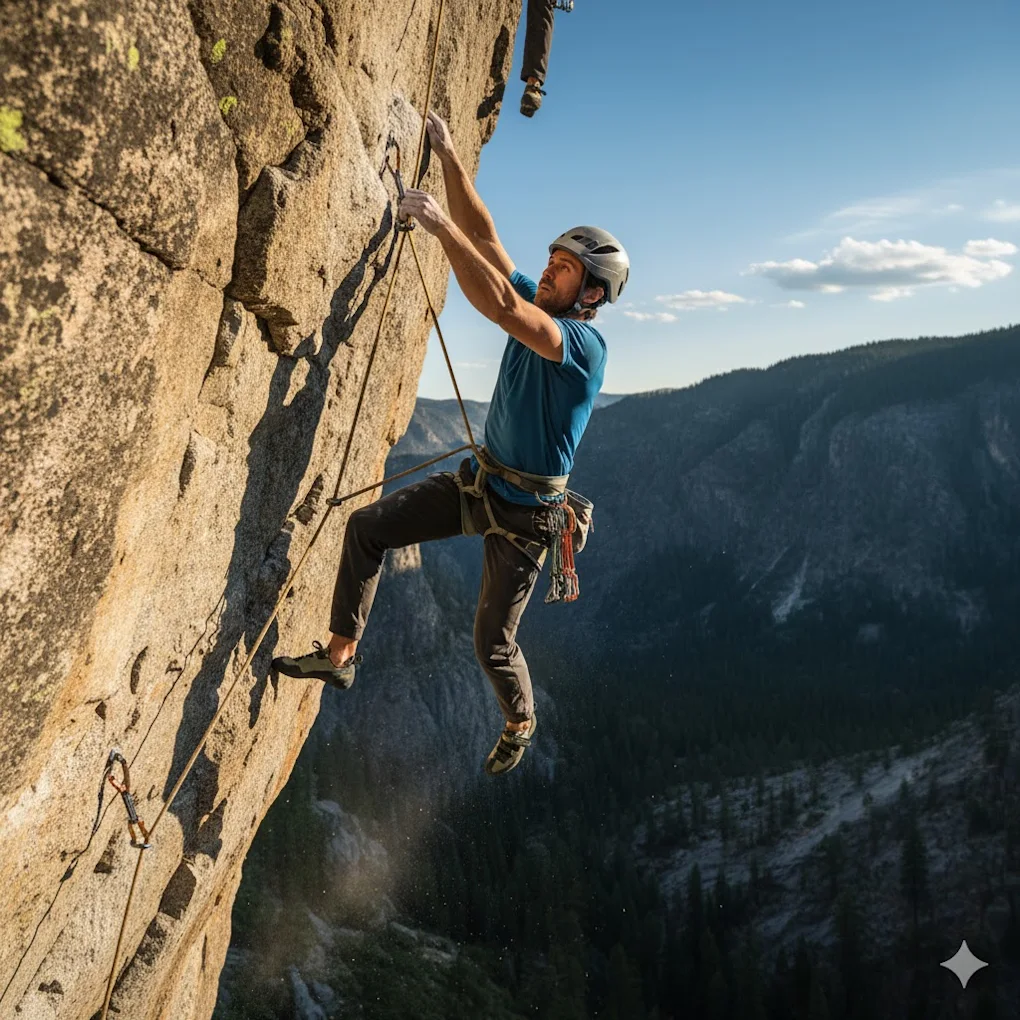
Climbing in Jackson, WY: Teton Routes & Alpine Guide
Planning your climbing adventure in Jackson, Wyoming means entering one of North America's premier alpine climbing destinations. The Teton Range, rising dramatically from 6,200-foot Jackson Hole valley to the 13,775-foot summit of the Grand Teton, offers climbing experiences ranging from beginner-friendly sport routes on valley crags to serious alpine mountaineering requiring advanced technical skills, fitness, and commitment.
Here's what makes Jackson extraordinary for climbing: you're positioned in a range offering over 200 named peaks above 10,000 feet, classic alpine routes like the Grand Teton's Exum Ridge and Owen-Spalding that have defined American mountaineering for generations, technical rock climbing on solid granite, and a climbing culture supporting progression from gym climber to alpine mountaineer. Whether you're seeking intro sport climbing at accessible crags, multi-pitch trad routes on iconic formations, or committing alpine ascents testing your technical skills and mountain judgment, this guide will help you navigate Jackson's climbing opportunities safely.

With access to the Grand Teton (America's premier alpine climb), Middle and South Teton offering slightly less committing objectives, Disappointment Peak and other "beginner" alpine routes requiring full mountaineering skills, valley crags like Blacktail Butte providing sport and trad climbing, and professional guide services offering instruction and mentoring, Jackson serves as the ultimate mountain climbing destination. The region's solid Precambrian granite, dramatic relief, and established mountaineering infrastructure create conditions for climbers to progress from cragging to alpine climbing while maintaining appropriate challenges and genuine consequences.
UNDERSTANDING TETON CLIMBING: What You're Getting Into
Alpine Climbing vs. Cragging
Critical Distinction: Teton climbing divides into fundamentally different experiences requiring different skills, equipment, and mindset:
Sport/Trad Cragging (Valley Crags):
Single or multi-pitch routes on cliffs near roads
Established anchors (sport) or placed protection (trad)
Afternoon activity—approach in morning, climb, return same day
Moderate commitment (2-6 hours)
Technical rock climbing skills primary requirement
Controlled environment with escape options
Alpine Mountaineering (Teton Peaks):
Long approaches (2-6 hours to base of route)
Multiple climbing pitches (4-10+ pitches typical)
High elevation (10,000-13,000+ feet)
Extreme commitment (12-20 hour days summit to trailhead)
Weather/objective hazards (lightning, rockfall, hypothermia)
Comprehensive skill set required (technical climbing, navigation, speed, efficiency)
Serious consequences for mistakes (death potential)
This distinction matters enormously. Gym climbers who lead 5.10 sport routes often assume they're ready for the Grand Teton because the Owen-Spalding route is rated 5.4. The technical difficulty is only one factor—the altitude, commitment, speed requirements, weather exposure, and objective hazards create a completely different challenge.

The Grand Teton: America's Premier Alpine Climb
Grand Teton Statistics:
Elevation: 13,775 feet (7,000+ feet above valley)
Approach: 4-6 hours to Lower Saddle camps (11,600 feet)
Technical Climbing: 800+ vertical feet (4-8 pitches depending on route)
Summit Day: 8-14 hours from camp to summit and return
Difficulty: 5.4 (Owen-Spalding) to 5.9+ (Exum Ridge)
Season: July-September (snow dependent)
Success Rate: Approximately 40-50% of attempts (weather, fitness, altitude)
Annual Statistics (typical year):
Attempts: 3,000-4,000
Summits: 1,500-2,000
Fatalities: 0-3 annually (falling, lightning, hypothermia, rockfall)
Rescues: 15-25 (exhaustion, altitude sickness, injury, benightment)
What Makes It Serious: The Grand combines multiple challenges that individually might be manageable but together create genuine mountaineering:
Altitude: Over 13,000 feet affects everyone
Commitment: No bailout once on upper mountain
Weather: Afternoon storms develop rapidly (lightning kills)
Technical Terrain: Exposed 5th class climbing with thousand-foot falls
Speed Requirement: Must climb efficiently to avoid afternoon storms
Objective Hazards: Rockfall from climbers above, loose rock, ice
Required Skills for Alpine Climbing
Minimum Competencies for Grand Teton:
Technical Rock Skills:
Lead 5.6-5.7 trad confidently (for Owen-Spalding 5.4—grade sandbagged)
Lead 5.8+ trad competently (for Exum Ridge 5.5-5.7)
Place reliable protection (cams, nuts, alpine draws)
Build anchors quickly
Efficient rope management
Confident on exposed terrain
Ability to downclimb and rappel
Mountain Skills:
Navigation with map/compass/GPS
Weather assessment and forecasting
Route-finding on complex terrain
Snow travel with crampons (early season)
Ice axe self-arrest
High-elevation acclimatization understanding
Efficient movement and time management
Physical Fitness:
Cardiovascular endurance for 12+ hour days
Strength for sustained climbing with pack
Altitude tolerance (or acclimatization strategy)
Mental stamina for long, committing days
Emergency Preparedness:
Self-rescue capabilities
First aid for climbing injuries
Hypothermia prevention and recognition
Decision-making under stress
Knowing when to turn around
Reality Check: These aren't suggestions—they're minimums. Teton alpine climbing kills people with inadequate preparation. The mountains don't care about your confidence or enthusiasm.
GETTING STARTED: Valley Cragging and Skill Building
Blacktail Butte: Roadside Climbing
Blacktail Butte provides Jackson's most accessible rock climbing just 15 minutes from town. This limestone formation offers:
Sport Climbing:
30+ bolted routes (5.6-5.12+)
1-3 pitch routes
Southern exposure (warm, dries quickly)
Walk-off descents (no rappelling required on many routes)
Excellent for learning to lead
Characteristics:
Approach: 10-20 minutes from parking
Season: April-November (hot in summer)
Rock: Limestone (sometimes sharp, occasionally friable)
Views: Teton Range across valley
Recommended Routes for Building Skills:
Coyote Corner (5.6): Excellent intro to multi-pitch
Angel Staircase (5.8): Classic moderate with exposure
Welcome to Wyoming (5.9): Technical face climbing
Lung Butter (5.11a): Steep sport climbing if that's your level
Blacktail provides the perfect venue for building fundamental rock skills—lead climbing, anchor building, multi-pitch rope management—before attempting alpine objectives.
Cave Rock and Other Crags
Cascade Canyon Crags: Multiple rock formations in Cascade Canyon offer:
Trad climbing (gear-protected routes)
Alpine-style rock climbing (approach required)
Better rock quality than Blacktail (Precambrian granite)
Multi-pitch options
Storm Point:
Backcountry trad climbing
Approach: 1+ hour hike
High-quality granite
Quiet, committing environment
Climbing Gym: Jackson has indoor climbing facilities for:
Rainy day training
Evening workouts
Meeting local climbers
Skills coaching
Multi-Pitch Training Objectives
Before attempting alpine routes, build multi-pitch skills on lower-commitment objectives:
Symmetry Spire (10,560 feet):
5 pitches to summit (5.6-5.7)
Serious alpine environment but shorter than Grand
Excellent "first alpine climb" objective
Approach: 3-4 hours
Summit to trailhead: 8-12 hours total
Cube Point:
Shorter alpine route
Rock quality variable
Good for testing fitness and efficiency
Disappointment Peak (11,618 feet): Despite the name, this represents a serious undertaking:
Approach: 4-5 hours to Lower Saddle
Climbing: 6-8 pitches (5.7-5.8 depending on route)
High altitude training
Often done as Grand Teton preparation
Full alpine experience
These "stepping stone" climbs allow testing equipment systems, efficiency, altitude tolerance, and partnership dynamics before committing to the Grand Teton's more serious environment.

THE GRAND TETON: Classic Routes
Owen-Spalding Route (Grade II, 5.4)
The "Easiest" Grand Teton Route: First climbed in 1898, Owen-Spalding remains the most popular Grand Teton route, but "easiest" is misleading:
Route Description:
Approach: Lupine Meadows to Lower Saddle (7.5 miles, 5,000' gain, 4-6 hours)
Camping: Lower Saddle at 11,600 feet (permits required)
Summit Day: Start 3:00-4:00 AM for lightning avoidance
Climbing: 4-6 pitches from Upper Saddle to summit
Crux: 5.4 chimney (feels harder in mountain boots)
Descent: Downclimb and rappel same route
Key Sections:
Crawl/Belly Crawl: 5.0-5.2 chimney squeezing
Owen Chimney: 5.4 wide crack/chimney (crux)
Upper Exum Ridge junction: Short exposed traverse
Summit Block: Class 4 scrambling
Rating Reality: Owen-Spalding's 5.4 rating assumes:
Climber comfortable in boots (not rock shoes)
Altitude-adjusted performance (30-50% reduction)
Weather pressure (need to move quickly)
Route-finding complexity
Loose rock potential
Many climbers find Owen-Spalding's "5.4" harder than gym/crag 5.6-5.7 due to these factors.
Required Equipment:
60m rope (minimum, 70m better)
Standard trad rack to 3" (cams, nuts)
10-12 alpine draws
Helmet (mandatory—rockfall from above)
Layers for altitude/weather
Headlamp with extra batteries
Emergency bivy gear
Exum Ridge (Grade II+, 5.5)
The Classic Alpine Rock Route: Established by Glenn Exum in 1931, this represents one of America's finest alpine rock climbs:
What Makes It Special:
Sustained quality climbing (5.5-5.7 over multiple pitches)
Spectacular exposure on narrow ridge
Technical difficulty balanced with position
Classic route traveled by generations
Route Details:
Approach: Same as Owen-Spalding to Lower Saddle
Climbing: 8-10 pitches from Wall Street to summit
Grade: II+ (longer, more committing than Owen-Spalding)
Crux: 5.7 (Wind Tunnel, friction pitch on golden face)
Character: Exposed arete and face climbing
Key Pitches:
Wall Street: 5.5 approach pitch
Golden Stair: 5.4 exposed arete
Wind Tunnel: 5.7 friction face (crux)
Friction Pitch: 5.6 exposed slab
Upper Ridge: 5.5 exposed climbing to summit
When to Choose Exum over Owen-Spalding:
Comfortable leading 5.8+ trad at crags
Want more climbing, less chimney squeezing
Seeking classic alpine rock experience
Willing to accept slightly longer day
Other Grand Teton Routes
North Ridge (Grade III, 5.8):
Longer, more committing than Exum
Excellent alpine rock climbing
Requires strong 5.8 trad skills
Full day from Lower Saddle
Direct Exum Ridge (Grade III, 5.9):
Harder variation of classic Exum
Serious alpine rock climbing
For experienced alpine climbers only
Black Ice Couloir (Grade IV+, AI3 5.8):
Mixed ice and rock climbing
Early season (June-early July)
Technical winter climbing skills required
Serious objective hazards
MIDDLE AND SOUTH TETON: Alternatives to Grand
Middle Teton (12,804 feet)
The Grand's Less-Crowded Neighbor: Middle Teton offers serious alpine climbing without Grand Teton crowds:
Southwest Couloir (Grade II, 5.6):
Most popular route
Mix of rock and snow (depending on season)
Lower Saddle approach
Technical climbing less sustained than Grand
Outstanding summit views
10-14 hours Lower Saddle round trip
Advantages:
Less traffic than Grand
Slightly less commitment
Excellent alpine experience
Beautiful summit position
Reality: Still a serious undertaking requiring full alpine skills.
South Teton (12,514 feet)
The Southernmost Cathedral Group Peak: South Teton provides another Grand alternative:
Technical Difficulty:
Various routes (5.4-5.9)
Longer approach than Middle or Grand
Remote feeling
Less established trail/route
MOUNTAIN WEATHER AND TIMING

Afternoon Storm Pattern
Predictable Daily Cycle (Summer):
6:00-11:00 AM: Generally clear, stable
11:00 AM-2:00 PM: Cumulus building, storm development
2:00-6:00 PM: Thunderstorms likely
Evening: Storms dissipate
Lightning Danger: Lightning kills Teton climbers regularly. Exposed ridges and summits become deadly during electrical storms:
Cannot outrun approaching storms
No shelter on upper mountain
Metal equipment conducts electricity
Retreat difficult once committed
Summit Timing Critical: Standard protocol: Leave Lower Saddle camp 3:00-4:00 AM, summit by 10:00-11:00 AM, descend before afternoon storms. Late starts or slow progress create dangerous situations.
Weather Forecasting
Resources:
NOAA Mountain Weather Forecast (Riverton, WY office)
Grand Teton climbing rangers (current conditions)
Mountain-specific apps (Mountain Forecast, NOAA Aviation)
Visual observation (cloud development)
Red Flags (Don't Climb):
Clouds already building at dawn
Unstable air mass patterns
High winds aloft
Cold front approaching
Multi-day unsettled pattern
Conservative Decision-Making: The mountains will be there tomorrow. Turn around if:
Storm clouds building early
Progress slower than planned
Partner struggling
Feeling unwell (altitude, fatigue)
Conditions deteriorating
ALTITUDE AND ACCLIMATIZATION
High-Altitude Effects
Teton Altitude Reality:
Jackson: 6,237 feet
Lower Saddle camps: 11,600 feet
Grand Teton summit: 13,775 feet
Most visitors arrive from sea level experiencing:
8,000-10,000 feet:
Noticeable breathing increase
Mild headache potential
Performance decrease (20-30%)
Sleep disturbance
10,000-12,000 feet:
Significant exertion difficulty
Headache common
Performance decrease (30-40%)
Acute Mountain Sickness (AMS) potential
12,000-14,000 feet:
Severe exertion difficulty
AMS likely without acclimatization
Performance decrease (40-50%)
Serious altitude illness risk
Acclimatization Strategy
Proper Progression for Grand Teton:
Days 1-2: Valley hiking (7,000-8,000 feet) Day 3-4: Higher day hikes (9,000-10,000 feet) Day 5: Sleep at Lower Saddle (11,600 feet) without summit attempt Day 6: Summit attempt
Most guided climbs follow similar progression. Rushing causes altitude sickness, poor performance, and increased risk.
Altitude Sickness Symptoms:
Persistent headache
Nausea/vomiting
Extreme fatigue
Dizziness
Confusion
Response: Descend immediately. Altitude sickness can progress to life-threatening HAPE (pulmonary edema) or HACE (cerebral edema).
GUIDED CLIMBING VS. INDEPENDENT
Professional Guide Services
Exum Mountain Guides: Founded 1926, Exum is the premier Teton guide service:
Grand Teton guided climbs: $1,200-1,500 per person (2-day)
Exum Ridge: $1,400-1,650 per person
Instruction courses: Basic, intermediate, advanced mountaineering
Private guiding: Custom rates
Ratio: Typically 2-3 clients per guide
Jackson Hole Mountain Guides: Another established service:
Similar pricing and offerings
Various Teton routes
Rock climbing instruction
Ice climbing (winter)
Benefits of Guided Climbing:
Expert route-finding and efficiency
Safety oversight and rescue capability
Equipment provision (technical gear, sometimes personal)
Skill instruction during climb
Higher success rates
Managed risk
When Guiding Makes Sense:
First alpine climbing experience
Limited trad climbing background
Want to learn while summiting
Uncomfortable with commitment/exposure
Solo climber needing partner
Time-limited (maximize success chances)
Cost Perspective: $1,200-1,500 for professional guide service versus potential rescue costs (helicopter evacuation $10,000-30,000+) or tragedy makes guided climbing reasonable for many.
Independent Climbing Requirements
Minimum for Unguided Grand Teton:
Extensive multi-pitch trad climbing experience (dozens of routes minimum)
Previous alpine climbing on smaller peaks
Partner with similar experience
Complete equipment (owned, familiar)
Wilderness first aid training
Navigation skills
Weather assessment abilities
Self-rescue capabilities
Conservative judgment
Reality Check: Guide services exist because alpine climbing is genuinely difficult and dangerous. If questioning whether you're ready, you probably aren't. Better to hire guides, learn systems, build experience, then return independently.

ESSENTIAL CLIMBING EQUIPMENT
Technical Gear
Rock Climbing Equipment:
Climbing harness
Helmet (climbing-specific, lightweight)
Rock shoes (approach can stay in pack)
Chalk bag
Protection and Anchor Building:
Camming devices: 0.3-3" range (doubles of 0.5-2")
Nuts/stoppers: Set of 5-10
Alpine draws: 8-12 (60cm quickdraws)
Locking carabiners: 6-8
Prussik cord or mechanical ascender
Rappel/belay device (ATC or similar)
Rope:
60-70m single rope (dry-treated recommended)
8.5-10mm diameter (balance weight vs. handling)
Early Season Additional:
Ice axe (general mountaineering, 60-70cm)
Crampons (compatible with boots)
Clothing and Layers
Layering System for Alpine Climbing:
Base Layer:
Lightweight merino or synthetic
Long-sleeve top and bottom
NOT cotton (hypothermia risk)
Insulation:
Lightweight puffy jacket (packable)
Fleece or second puffy for camp
Shell:
Waterproof/breathable jacket (pit zips essential)
Waterproof pants (for storms/wind)
Extremities:
Lightweight gloves (belaying, handling gear)
Insulated gloves/mittens (cold, wind)
Warm hat
Neck gaiter/balaclava
Sunglasses (high UV at altitude)
Glacier glasses (if snow present)
Footwear:
Approach shoes (for approach and scrambling)
Mountaineering boots (for technical climbing—stiffer sole)
OR compromise: technical approach shoes with crampon compatibility
Mountain Safety Equipment
Navigation:
Map and compass
GPS device or phone with downloaded maps
Altimeter (helpful for route-finding)
Emergency:
Headlamp (extra batteries)
First aid kit (wilderness-specific)
Emergency bivy sack
Fire starting capability
Extra food and water
Multi-tool/knife
Repair kit (duct tape, cord)
Communication:
Cell phone (spotty coverage)
Satellite communicator (inReach, SPOT) recommended
OBJECTIVE HAZARDS AND RISK MANAGEMENT
Rockfall
Constant Danger: Loose rock from climbers above, natural rockfall, and freeze-thaw cycles create constant hazard:
Prevention:
Climb early (less freeze-thaw, fewer parties above)
Wear helmet always
Choose routes with less traffic above
Move efficiently through hazard zones
Communicate with parties above/below
Response:
"ROCK!" yelled loudly warns others
Duck and cover (helmet essential)
No safe movement during rockfall—wait
Lightning
Deadly Threat: Multiple Teton climber deaths from lightning. Metal gear conducts, summits attract, no shelter exists:
Avoidance:
Summit before 11:00 AM
Watch for early cloud building
Turn around if storms approach
Descend immediately when thunder heard
If Caught:
Get off summit/ridge if possible
Crouch on insulation (rope, pack)
Separate from partners (10+ feet)
Remove metal (ice tools, rack) but stay nearby
Wait out storm (may be 30-60 minutes)
Hypothermia
Year-Round Risk: Even summer sees temperatures near freezing at altitude, with wind and precipitation creating hypothermia conditions:
Prevention:
Proper layering systems
Stay dry (waterproof shells)
Maintain energy (eat, drink)
Monitor partners constantly
Recognition:
Intense shivering
Confusion or poor judgment
Slurred speech
Loss of coordination
Treatment:
Add insulation immediately
Hot liquids if conscious
Body-to-body warming if severe
Descend to lower/warmer area
Acute Mountain Sickness (AMS)
Altitude-Related Illness: Inadequate acclimatization causes AMS, potentially progressing to life-threatening HAPE or HACE:
Prevention:
Proper acclimatization (see altitude section)
Hydration (4+ liters daily)
Conservative ascent rates
"Climb high, sleep low" when possible
Treatment:
Descend immediately
Medications (Diamox, dexamethasone) temporize but don't replace descent
Don't ascend with symptoms
PERMITS AND REGULATIONS
Backcountry Camping Permits
Lower Saddle Camping: Most Grand Teton climbers camp at Lower Saddle (11,600 feet):
Permit Requirements:
Backcountry permit: $45 (groups up to 6)
Reservations: Available starting January 1 at recreation.gov
Highly competitive (book immediately when available)
Alternative: Walk-up permits (limited, uncertain)
Lower Saddle Specifics:
4 designated camping areas
Pit toilet available
Emergency shelter hut (emergency use only)
Water from snowmelt (filter required)
No fires
Climbing Regulations
Grand Teton National Park:
Park entrance fee: $35 per vehicle
Climbing registration recommended (helps rescue if needed)
Leave No Trace required
Waste pack-out (including human waste above camps)
No bolting or fixed protection additions
Ranger Stations:
Jenny Lake Ranger Station (climbing-specific rangers)
Condition reports available
Route beta and advice
Emergency coordination
RESCUE AND EMERGENCY
Self-Rescue Capabilities
Required Skills:
Technical rope rescue (hauling, lowering)
Improvised anchor building
First aid for climbing injuries
Hypothermia treatment
Navigation in whiteout or darkness
Reality: On upper Grand Teton, self-rescue may be only option for hours. Helicopter rescue requires:
Daylight
Suitable weather (often not available during storms)
Landing zones (limited on Grand)
Hours to mobilize
Getting Help
Emergency Contacts:
Grand Teton Dispatch: 307-739-3300
Emergency: 911 (cell service unreliable at altitude)
Rescue coordination: Jenny Lake Rangers
Helicopter Evacuation:
Cost: $10,000-30,000+ (insurance rarely covers)
Not guaranteed (weather/darkness limitations)
Requires patient stabilization and safe LZ
Better Strategy: Prevention through proper preparation, conservative decisions, and turning around when appropriate.
SEASONAL CONSIDERATIONS
Summer Climbing Season (July-September)
July:
Snow lingering on north faces
Approaches may require snow travel
Most technical climbing clear
Afternoon storms daily
Busy season begins
August:
Prime climbing month
Minimal snow (most years)
Warmest temperatures
Most crowded
Stable weather patterns
September:
Excellent conditions (cool, stable)
Fewer crowds post-Labor Day
Shorter days (plan accordingly)
Early season snow possible
Best month for experienced climbers
Early/Late Season
June:
Significant snow on routes
Mountaineering skills required
Less predictable weather
Fewer climbers
For experienced only
October:
Winter conditions possible
Very short days
Most services closed
Serious winter skills needed
Very few attempts
TRAINING AND PREPARATION
Physical Conditioning
Cardiovascular Fitness:
Long hiking with pack (8-12 hours capable)
Elevation gain training (4,000+ feet days)
Sustained aerobic capacity
Strength:
Climbing-specific (pull-ups, core)
Leg strength (weighted step-ups, squats)
Endurance over power
Altitude Training:
Arrive 3-5 days early if possible
Sleep high when able
Gradual progression
Technical Skills Practice
Before Attempting Grand Teton:
Lead 20+ multi-pitch trad routes minimum
Comfortable with 5.6-5.7 trad
Fast, efficient systems
Solid anchor building
Smooth rope management
Confident downclimbing and rappelling
Recommended Progression:
Learn to lead trad climb (gym to crag)
Multi-pitch trad climbs at crags
Small alpine climbs (Symmetry Spire)
Disappointment Peak or similar
Grand Teton
This progression takes months to years, not weeks.
CONCLUSION: Climbing Jackson's Mountains
Jackson, Wyoming, offers climbing experiences ranging from afternoon cragging to serious alpine mountaineering that tests every skill and requires complete mountain competence. The Grand Teton stands as America's premier alpine rock climb—accessible enough that thousands attempt it annually, serious enough that it demands respect and proper preparation.